
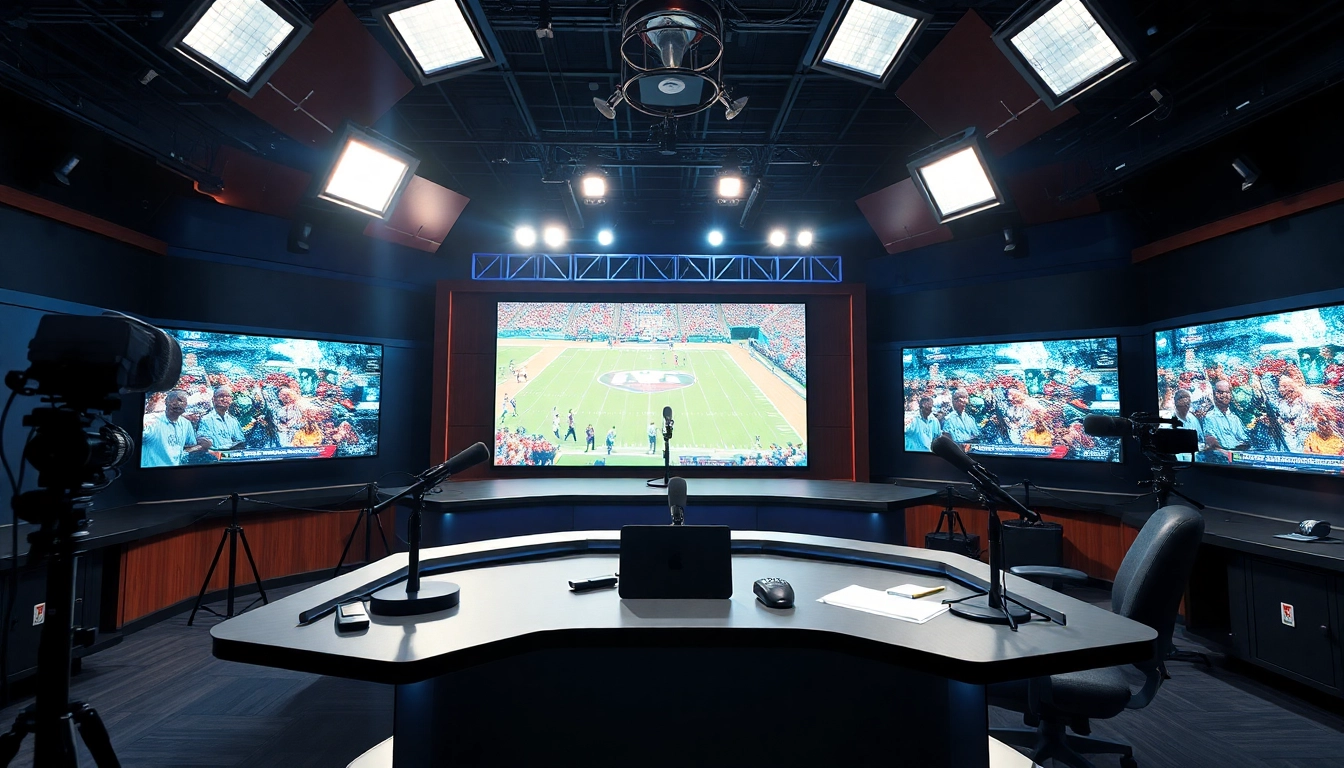
Understanding Sports Broadcasting: An Overview
Defining Sports Broadcasting
Sports Broadcasting encompasses the transmission of sports events to the public via television, radio, or internet platforms. This dynamic field not only involves live event coverage but also includes pre-game shows, post-event analysis, and commentary. As audiences crave instant access to sporting events, the methods of broadcasting have evolved, blending traditional media with digital platforms to enhance viewer experience. For an intricate understanding of this development, consider exploring Sports Broadcasting practices, which highlight how technology shapes viewing habits.
History and Evolution of Sports Broadcasting
The history of sports broadcasting dates back to the early 20th century when radio first brought live sports action into homes. The first official radio broadcast of a sporting event occurred in 1921, featuring a boxing match. As technology advanced, the introduction of television in the 1930s revolutionized how sports reached audiences. Major events such as the Olympics and the Super Bowl began to be televised, drawing huge audiences and transforming sports from a localized entertainment form to a global phenomenon. With the advent of cable television in the 1980s and, later, the internet, the evolution continued, resulting in on-demand sports streaming, real-time updates via social media, and the integration of app-based viewing experiences.
Types of Sports Broadcasting Available
Sports broadcasting can be broadly categorized into several primary types:
- Live Broadcasting: Real-time coverage of games and matches, available on television and streaming platforms.
- Radio Broadcasting: Audio commentary and coverage delivered over radio waves, appealing to audiences who prefer audio formats.
- Internet Streaming: Streaming services and platforms that allow viewers to watch events live or on-demand, often through paid subscriptions.
- Highlight Shows: Programs that consolidate game highlights, analysis, and discussions about various sports.
- Documentaries and Talk Shows: In-depth explorations of sports culture, athlete profiles, and sports-related discussions that appeal to dedicated fans.
The Role of Technology in Sports Broadcasting
Innovative Technologies Shaping Sports Broadcasting
Technology is at the heart of sports broadcasting innovation. Advanced graphics and Augmented Reality (AR) enhance viewer engagement by providing real-time statistics and player movements on-screen. Additionally, High-Definition (HD) and 4K resolution technologies improve visual quality, ensuring viewers have a rich experience. With wireless transmission technology, sporting events can now be covered from multiple angles using drone cameras and static cameras alike, allowing unprecedented viewpoints and insights.
The Impact of Streaming Services on Sports Broadcasting
Streaming services have fundamentally changed how audiences consume sports content. Viewers can now choose when and where to watch, breaking the constraints imposed by traditional broadcasting schedules. Platforms like HBO Max and Amazon Prime Video have begun acquiring broadcasting rights for popular sports leagues, thereby increasing competition and pushing traditional broadcasters to innovate. This shift has led to the development of features such as multi-view options and interactive content that allow for personalized viewing experiences.
Future Technologies: What’s Next for Sports Broadcasting?
As technology continues to evolve, the future of sports broadcasting looks promising. Innovations such as Virtual Reality (VR) may allow fans to experience live events as if they are in the stadium. Moreover, Artificial Intelligence (AI) is poised to revolutionize commentary and highlights production, automating tasks that previously required human involvement. Future advancements will likely emphasize increasing viewer interactivity and engagement, creating a more immersive experience.
Audience Engagement Strategies in Sports Broadcasting
Creating Interactive Experiences for Viewers
Engagement is crucial for broadcasters seeking to maintain and grow their audience base. Interactive viewing experiences, such as polls during live games or real-time commentary Q&A sessions, keep viewers invested in the content. Furthermore, gamification strategies, where viewers can predict game outcomes or earn points for participation, foster a sense of community among fans. Broadcasters are continuously exploring creative ways to leverage audience interaction, enriching the overall viewing experience.
The Importance of Social Media in Sports Broadcasting
Social media platforms have become integral to sports broadcasting as they provide an avenue for real-time updates, highlights, and audience interaction. Broadcasters utilize platforms like Twitter, Instagram, and Facebook to create communities around their content, share behind-the-scenes footage, and engage fans in conversations. Leveraging social media not only builds brand loyalty but also extends the reach of broadcasts, attracting a younger demographic that is more prevalent on these platforms.
Metrics for Measuring Audience Engagement
To gauge the effectiveness of audience engagement strategies, broadcasters use various metrics, including viewership numbers, peak concurrent viewers, social media interactions, and audience retention rates. Analytics tools provide insights into viewer behavior, helping broadcasters understand which content resonates and how to optimize it. Monitoring these metrics allows networks to adjust their offerings in real-time and craft tailored content that matches audience interests.
Challenges in the Sports Broadcasting Industry
Regulatory and Licensing Issues
One major challenge in sports broadcasting is navigating regulatory and licensing issues. Broadcasters must secure the rights to air live events, which can involve complex negotiations and substantial financial investment. Additionally, regulatory bodies often impose guidelines that must be adhered to, varying by country and region. These challenges can limit content availability and impact revenue generation, necessitating strategic planning to manage compliance and licensing effectively.
Adapting to Changing Viewer Demographics
As viewer demographics evolve, broadcasters must adapt their content and strategies to meet the preferences of younger audiences. This includes incorporating technology-driven experiences and diversifying content to appeal to a broader range of interests, such as gaming and eSports. Moreover, understanding shifting consumption patterns, such as the preference for mobile-viewing, is crucial for broadcasters to stay relevant and connected to their audiences.
Competition from Digital Streaming Platforms
The rise of digital streaming platforms has intensified competition within the sports broadcasting industry. Viewers can often find access to live games through multiple channels, prompting traditional broadcasters to innovate swiftly to retain viewers. In this landscape, offering exclusive content, enhanced viewing experiences, and strategic partnerships becomes vital to compete in a crowded marketplace.
Future Trends in Sports Broadcasting
Emerging Models in Sports Broadcasting
Emerging business models in sports broadcasting, such as subscription-based services and pay-per-view formats, are gaining traction. By providing different pricing tiers and packages, broadcasters can cater to diverse consumer preferences, ensuring accessibility to a broader audience. This financial flexibility encourages more viewers to engage with sports content, ultimately driving subscription growth and increasing fan bases.
How AI is Transforming Sports Broadcasting
Artificial Intelligence (AI) is making significant inroads in sports broadcasting, providing tools for data analysis, highlight generation, and enhanced viewer experiences. AI algorithms can analyze player statistics, performance data, and even fan interactions, enabling broadcasters to deliver personalized content. Automated highlight generation rapidly produces game recaps, allowing broadcasters to engage viewers promptly after games conclude.
The Potential of Virtual and Augmented Reality
Virtual and Augmented Reality technologies have the potential to transform sports broadcasting by providing immersive experiences. Fans could experience games from the best seats in the house virtually, exploring the venue as though they were present. Additionally, AR could overlay statistics or player information during live broadcasts, enhancing viewer understanding and engagement. As these technologies mature, they will likely reshape how sports content is presented and consumed.
Frequently Asked Questions
What is sports broadcasting?
Sports broadcasting involves transmitting live sports events via television, radio, or digital platforms, including commentary and analysis.
How has technology impacted sports broadcasting?
Technology has enhanced sports broadcasting through improved graphics, real-time stats, and the rise of streaming services, changing viewer engagement.
What are the major types of sports broadcasting?
Major types include live broadcasting, radio coverage, internet streaming, highlight shows, and documentaries related to sports.
What challenges does the sports broadcasting industry face?
Challenges include regulatory issues, adapting to changing demographics, and competition from digital streaming platforms.
What trends are shaping the future of sports broadcasting?
Trends include AI utilization, VR and AR integration, and emerging business models like subscription services and pay-per-view formats.